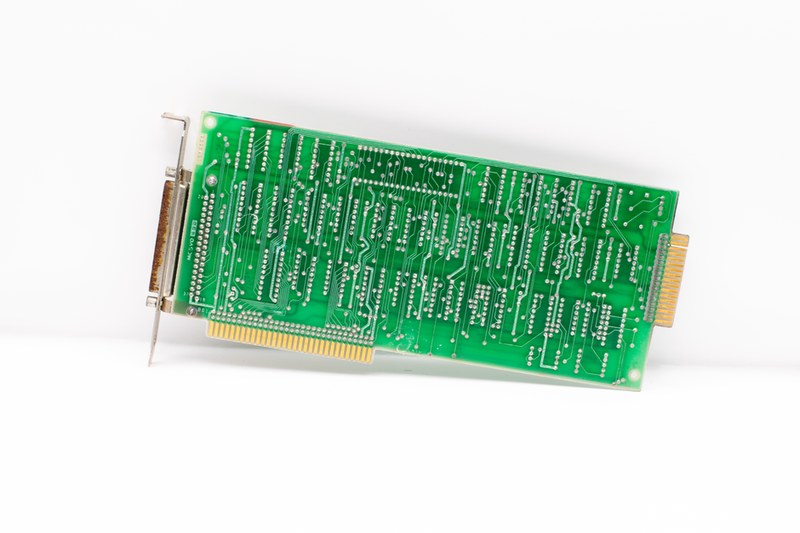
Inside the PCB of a Late-Run NES Cart
We trace board revisions across production years to understand how manufacturing choices changed as the console matured.
Long-form essays on NES-era pixel art, board revisions, and the design choices that shaped a generation of cartridges.
Browse ArchiveRecent essays and research notes from our preservation team
A look at how memory mapper hardware inside NES cartridges let developers push past early technical ceilings without redesigning the console itself.
How a small color palette shaped the visual language of a cult favorite, and why its sprite work still gets studied by pixel artists today.
PAL, NTSC, and unlicensed board revisions produced small but telling differences in cartridge construction across markets.
An examination of a late-era NES release whose scarcity and craftsmanship turned it into one of the platform's most discussed cartridges.
A technical history of the 10NES lockout chip and how it shaped third-party publishing relationships during the console's lifetime.
Cartridge label illustration deserves its own place in gaming art history, distinct from in-game sprite work and box art alike.
New research and essays published this month
We trace board revisions across production years to understand how manufacturing choices changed as the console matured.
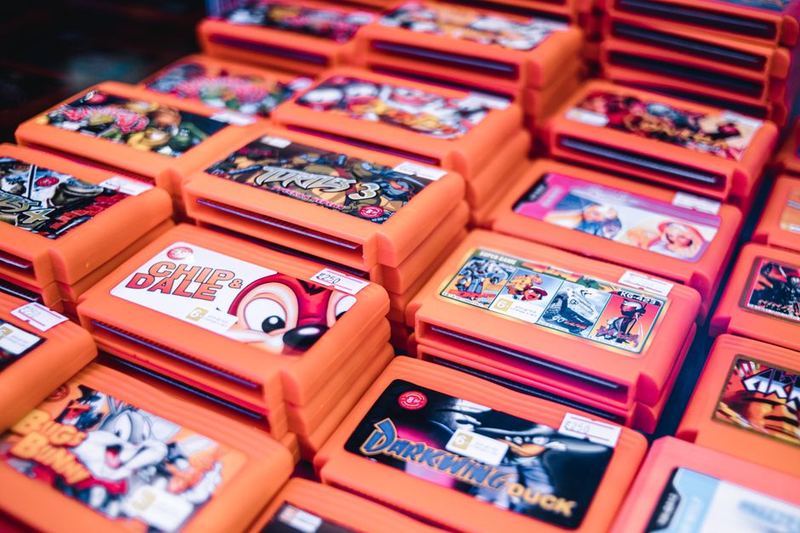
Notes from our ongoing project to document label degradation patterns and preserve accurate color references for historians.

A close read of dithering patterns used to simulate shading and gradients within the NES's limited color palette.
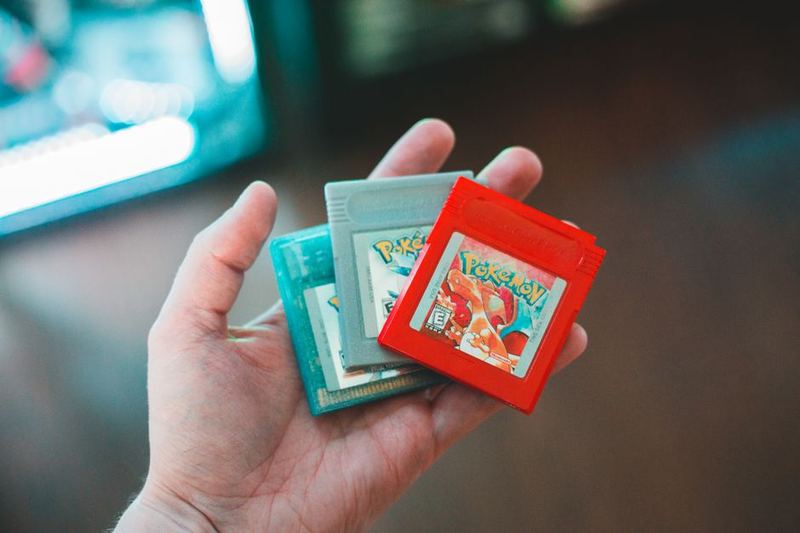
Community members shared photographs of uncommon board layouts this month, adding new material to our reference archive.
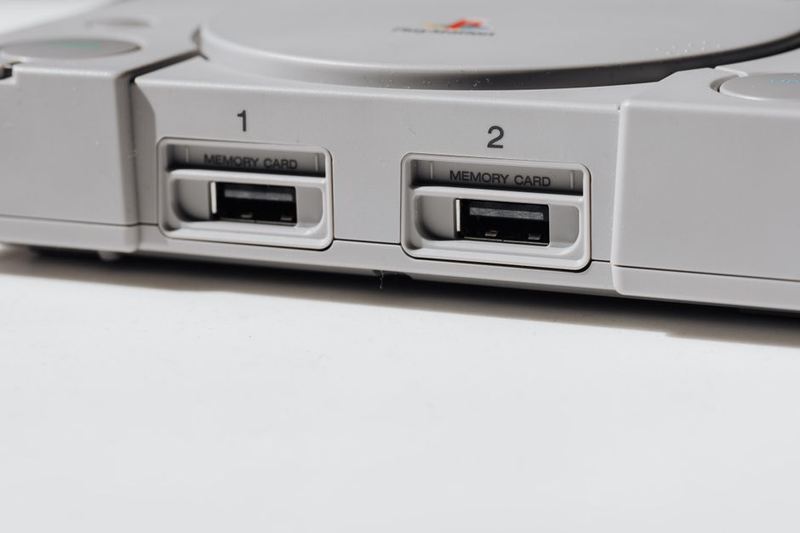
How box art conventions shifted from painterly illustration to more standardized layouts as the industry matured.
Yes. We welcome well-researched submissions on cartridge history, pixel art analysis, or hardware documentation. Send a pitch with sources or photo references and our editorial team will follow up.
We publish two to three new essays or research notes each month, alongside shorter updates when new cartridge variants or archival material come to our attention.
We rely on physical cartridge inspection, manufacturer documentation where available, community-contributed photographs, and cross-referencing with existing preservation archives worldwide.
No. Nile Cosmetics Gaming Archive is an independent, fan-run editorial project based in Hurghada, Egypt, with no commercial affiliation to Nintendo or any hardware manufacturer.
Absolutely. Reader suggestions often shape our research queue. Reach out through our contact page with details on the cartridge or design element you'd like us to explore.
How our editorial approach differs from general retro roundups
We open cartridges, examine board revisions, and document mapper chips rather than relying on secondhand summaries.
Our essays break down sprite construction and palette choices with the depth typically reserved for art history writing.
Readers worldwide contribute photographs and board variants, helping us build a more complete preservation record together.
We've maintained a steady editorial schedule of research-driven articles, building a searchable archive over time.